
The instinct when a kitten arrives is to give it the run of the house and let everyone meet it. Almost every problem in the first fortnight comes from doing exactly that. A kitten that has just left its mother and littermates is dealing with an enormous amount at once, and a smaller world helps rather than deprives.
Start with one room
Set up a single quiet room before the kitten arrives — a spare bedroom or bathroom works well. It needs a litter box, food and water at a distance from the box, a bed or covered hiding spot, a scratching post, and a couple of toys.
Keep the kitten there for the first several days. This does two things: it makes the litter box impossible to lose, which is most of house-training solved; and it gives the kitten a defensible base to retreat to as its territory expands. Sit in the room and read, ignore the kitten, and let it approach you. Cats that are allowed to initiate contact settle faster than ones that are picked up on arrival.
Kitten-proof before you widen the world
Before opening up the rest of the house, deal with the obvious hazards: loose cords and blind pulls, gaps behind appliances, open toilets, and anything small enough to swallow. Hair ties and string are genuinely dangerous — linear foreign bodies are a common emergency surgery.
Check your plants too. Lilies are the critical one: every part of a true lily is severely toxic to cats and even pollen can cause kidney failure. Also remove or relocate pothos, dieffenbachia, sago palm and philodendron.
Book the vet early
Arrange a check-up in the first week even if the kitten seems perfectly well. That visit establishes a baseline weight, sorts the vaccination and deworming schedule, and covers microchipping and the timing of desexing. Ask what the kitten was already given and when — schedules vary and gaps matter.
Find out where the nearest 24-hour emergency clinic is now, while nothing is wrong. It is not a call you want to be making while searching.
Feeding
Keep the food identical to what the breeder or shelter was using for at least the first week, even if you intend to change it. Moving home is already a significant disruption and a simultaneous diet change is a common cause of stomach upset. Transition gradually over a week or so afterwards.
Kittens need frequent small meals — typically three to four a day up to around six months. Fresh water should always be available; many cats drink more from a wide, shallow bowl kept away from their food.
Litter training barely exists
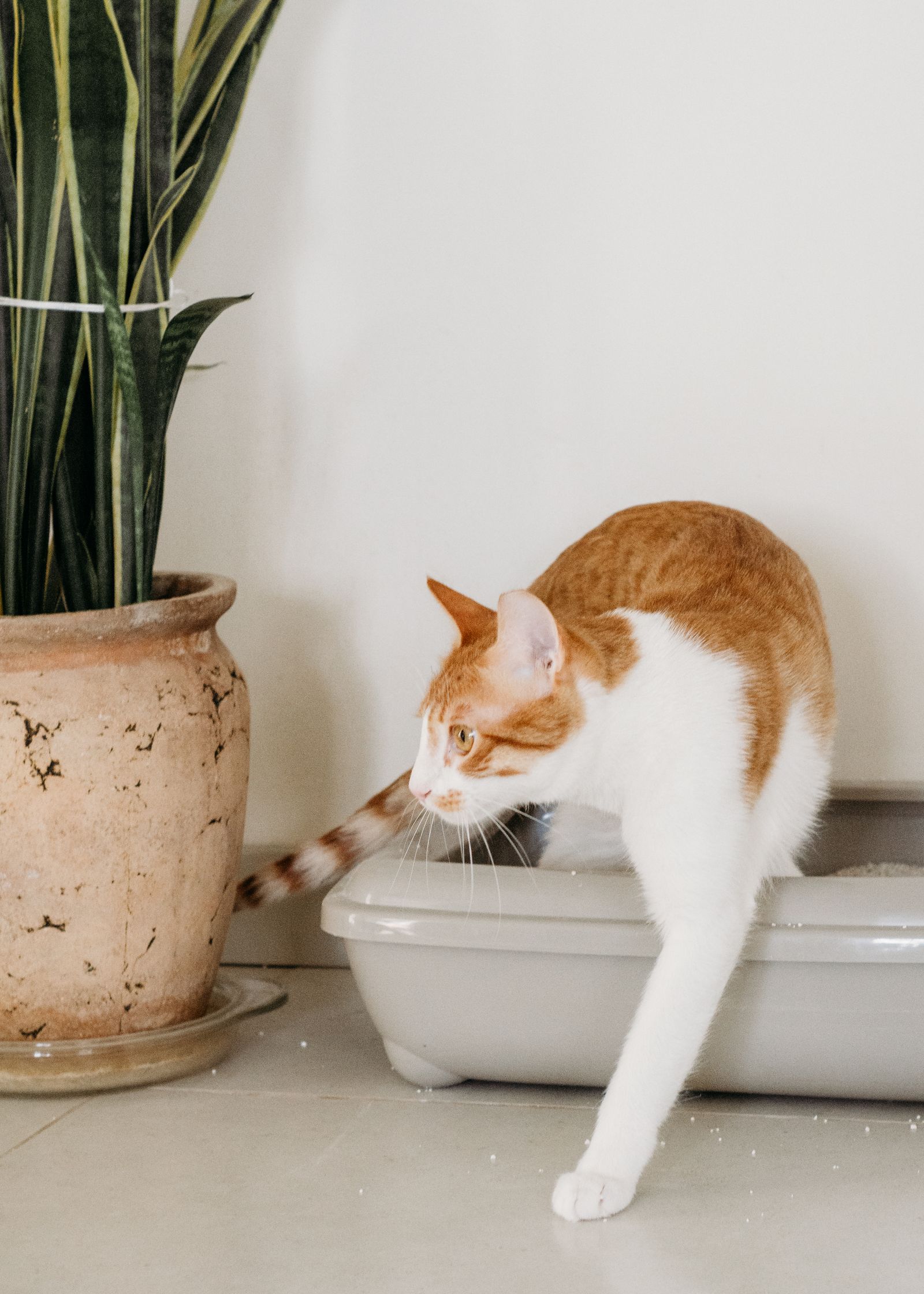
Kittens learn to use litter from their mother and mostly arrive knowing what to do. Your job is a low-sided box they can climb into, fine unscented litter, and a location they cannot fail to find. If there are accidents, the cause is nearly always that the box is too far, too tall, too dirty, or too close to the food.
Play with toys, never hands
It is very tempting to wrestle a kitten with your fingers, and it teaches the kitten that hands are prey. That is charming at eight weeks and genuinely unpleasant at eight months, when the same behaviour arrives with adult teeth and claws.
Use wand toys and let the kitten catch the toy at the end of a session — an unresolved hunt is frustrating. Two or three short play sessions a day covers most of the energy that would otherwise go into your ankles at midnight.
Introducing a resident cat or dog
Go slower than feels necessary. Keep them separated at first and swap bedding between them so each learns the other’s scent before they meet. Then feed them on opposite sides of a closed door, so proximity predicts something good.
Progress to brief visual contact through a cracked or gated door, then short supervised sessions, ending each one before anything goes wrong. Hissing and swatting during early meetings is normal communication, not failure — what you are watching for is sustained stalking or a cat that cannot disengage. Rushing this stage is the most common cause of long-term tension between cats that would otherwise have got along.
Not eating for more than a day, repeated vomiting or diarrhoea, lethargy, laboured breathing, or straining in the litter box. Kittens are small and dehydrate very quickly — problems that would be minor in an adult cat escalate in hours. When in doubt, phone and ask.
Two weeks in, most kittens have claimed the house, chosen a sleeping spot you did not buy, and stopped hiding when the doorbell goes. The slow start is what gets you there.